
Treatment Programs
A full continuum of evidence-based care for lasting recovery.
NTHB Rehab offers comprehensive treatment programs designed to meet each individual where they are. From medical detox through outpatient care, our clinical team provides personalized, evidence-based treatment at every stage of recovery.
Medical Detox
Medical detox at NTHB Rehab is the critical first step toward transformation. Our physician-led program provides round-the-clock monitoring during the 3-to-7-day withdrawal period, using medication-assisted treatment (MAT) to manage symptoms safely and reduce discomfort.
We treat withdrawal from alcohol, opioids, fentanyl, benzodiazepines, methamphetamine, barbiturates, and cocaine. Each patient receives an individualized detox protocol based on their substance history, medical conditions, and mental health needs. Our nursing staff monitors vital signs continuously, adjusting medications in real time to ensure the safest possible transition to sobriety.
Detox alone does not produce lasting recovery — it clears the way for it. That is why our clinical team begins therapeutic engagement during detox, introducing motivational interviewing and light group sessions so patients are prepared to enter residential or outpatient treatment with momentum already building.

Residential Treatment
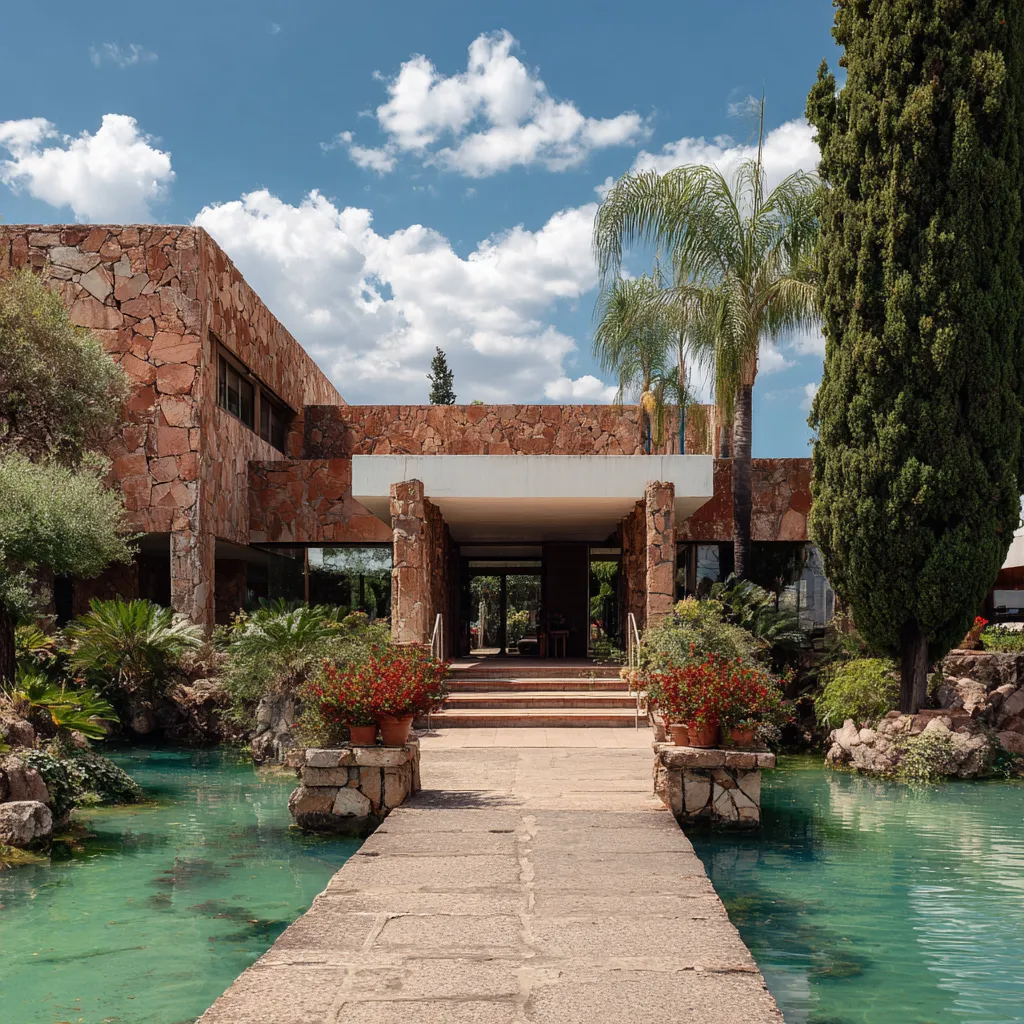
Our 30-to-90-day residential program is where lasting transformation takes shape. Patients live on-site in our 48-bed facility, fully immersed in a structured clinical environment designed to rebuild habits, thinking patterns, and coping mechanisms from the ground up.
The residential track features multiple therapy sessions each day, including Cognitive Behavioral Therapy (CBT), Acceptance and Commitment Therapy (ACT), individual counseling, and group therapy. Psychiatrist rounds occur weekly to monitor and adjust any psychiatric medications. Patients also participate in music therapy, mindfulness practice in our meditation garden, and physical wellness activities on our outdoor yoga deck.
Our strengths-based approach means each patient's treatment plan is built around what they do well — their resilience, relationships, and personal goals — rather than a checklist of deficits. This produces engagement, ownership, and outcomes that outlast the program.
A Typical Day
- 7:30 AM — Wake-up, morning wellness check, nutritionist-designed breakfast
- 8:30 AM — Group therapy session (CBT or ACT-based)
- 10:00 AM — Individual counseling with assigned therapist
- 11:30 AM — Specialty session (music therapy, mindfulness, or family systems)
- 12:30 PM — Lunch and peer community time
- 1:30 PM — Psychoeducation workshop or relapse prevention skills training
- 3:00 PM — Psychiatrist rounds (scheduled) or wellness activity (yoga, meditation garden)
- 4:30 PM — Journaling, creative arts studio, or free time
- 5:30 PM — Dinner
- 6:30 PM — Evening group (motivational interviewing, peer support)
- 8:00 PM — Wind-down, meditation, personal reflection
- 9:30 PM — Lights out
Outpatient Program
Our outpatient program serves patients who have completed residential treatment or whose clinical assessment indicates they can benefit from structured care while living at home. The 8-to-12-week program meets multiple times per week, providing consistency without requiring patients to leave their jobs or families.
Outpatient sessions include group therapy, individual counseling, and relapse prevention planning. Patients continue to work with the same therapeutic modalities used in our residential track — CBT, ACT, Motivational Interviewing — ensuring continuity of care. Family Systems Therapy sessions are available to help rebuild home dynamics that support sustained sobriety.
For patients stepping down from residential care, our outpatient program creates a bridge between the fully immersive treatment environment and independent daily life, reducing the risk of relapse during this critical transition period.

Dual Diagnosis
Many patients who arrive at NTHB Rehab discover that their substance use was masking an underlying mental health condition. Depression, anxiety disorders, PTSD, bipolar disorder — these conditions frequently co-occur with addiction, and treating one without the other leads to relapse.
Our dual diagnosis program integrates psychiatric evaluation, medication management, and targeted psychotherapy into the addiction treatment plan. Patients work with both a psychiatrist and a licensed therapist who collaborate on a unified care strategy. This means the anxiety driving the drinking and the drinking worsening the anxiety are addressed simultaneously, not sequentially.
Using evidence-based approaches including CBT, ACT, and trauma-focused interventions, our dual diagnosis track produces outcomes that single-track programs cannot. Patients leave understanding not just their addiction, but the complete clinical picture that created it.

Substances We Treat
- Alcohol
- Opioids
- Barbiturates
- Fentanyl
- Cocaine
- Methamphetamine
- Benzodiazepines
Treatment Modalities
- Cognitive Behavioral Therapy (CBT)
- Individual Counseling
- Group Therapy
- Acceptance and Commitment Therapy (ACT)
- Music Therapy
- Family Systems Therapy
- Motivational Interviewing (MI)
Facility & Amenities
- Family Visiting Area
- Meditation Room
- Computer Lab
- Private Rooms
- Meditation Garden
- Massage Therapy Room
- Outdoor Yoga Deck
- Volleyball Court
- Family Lodge
- Creative Arts Studio